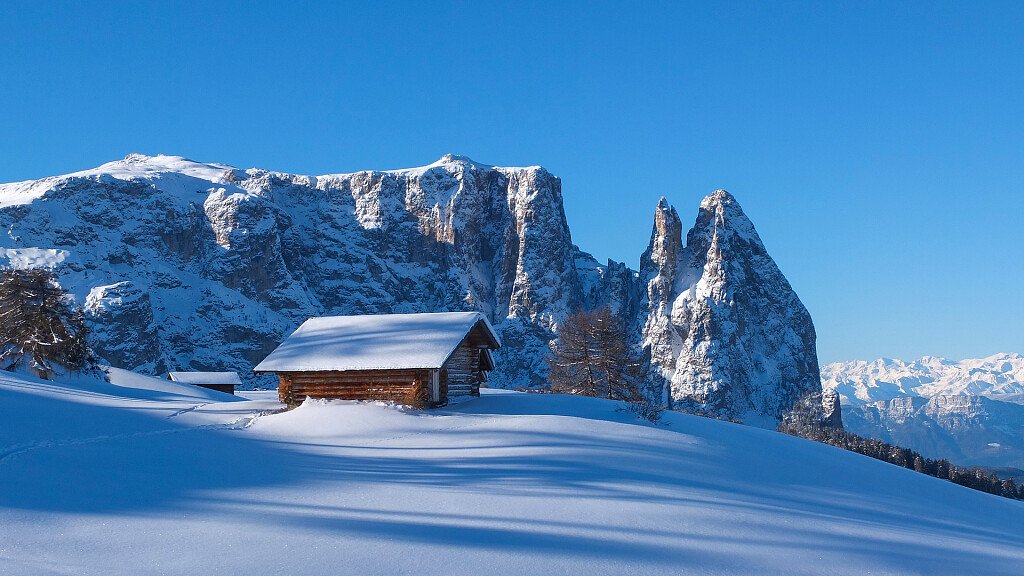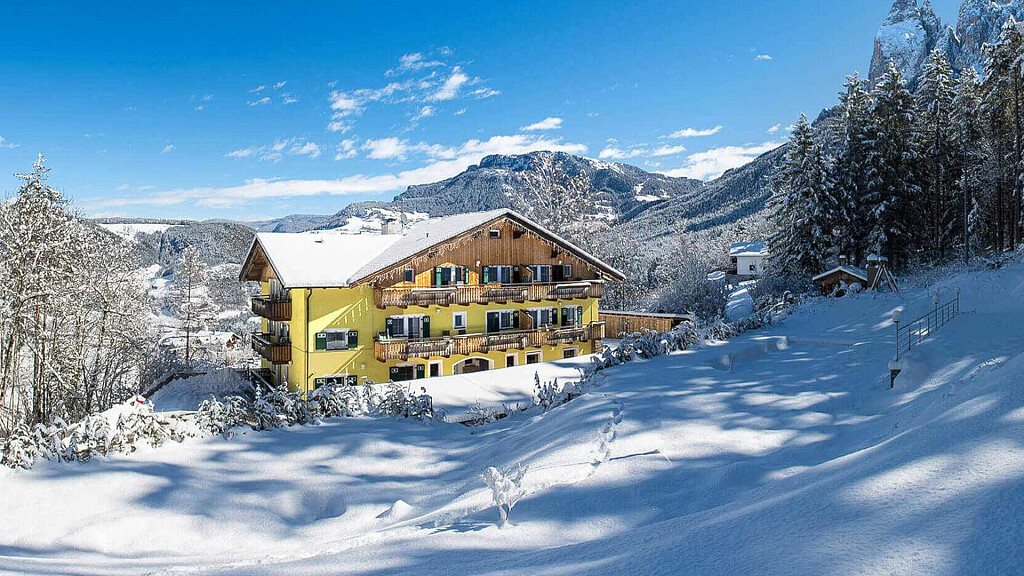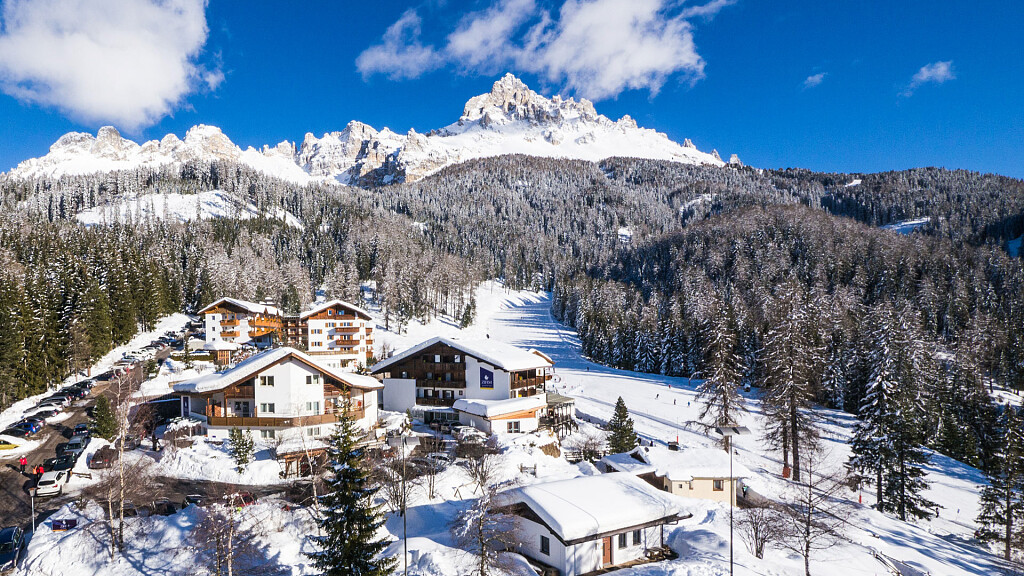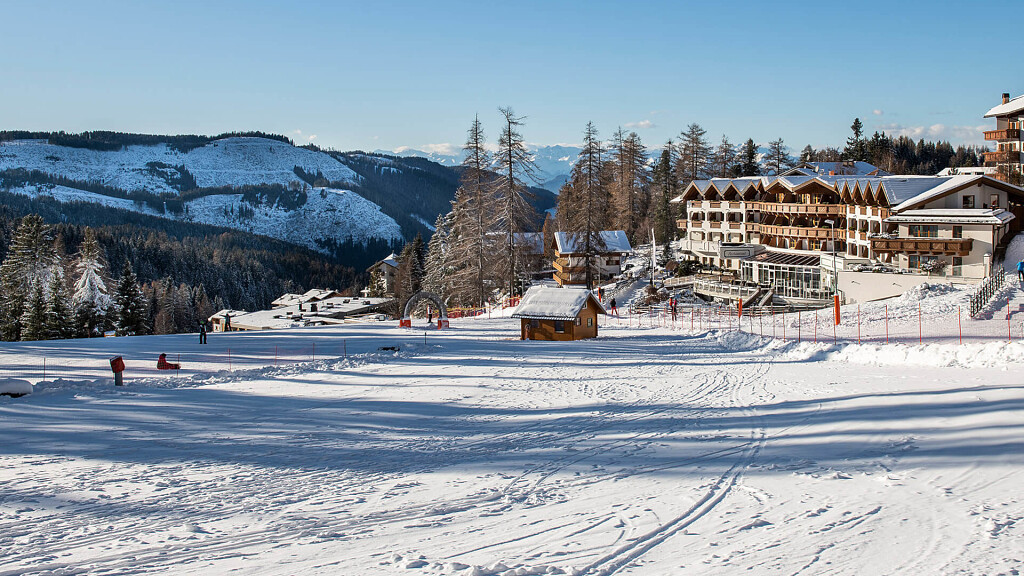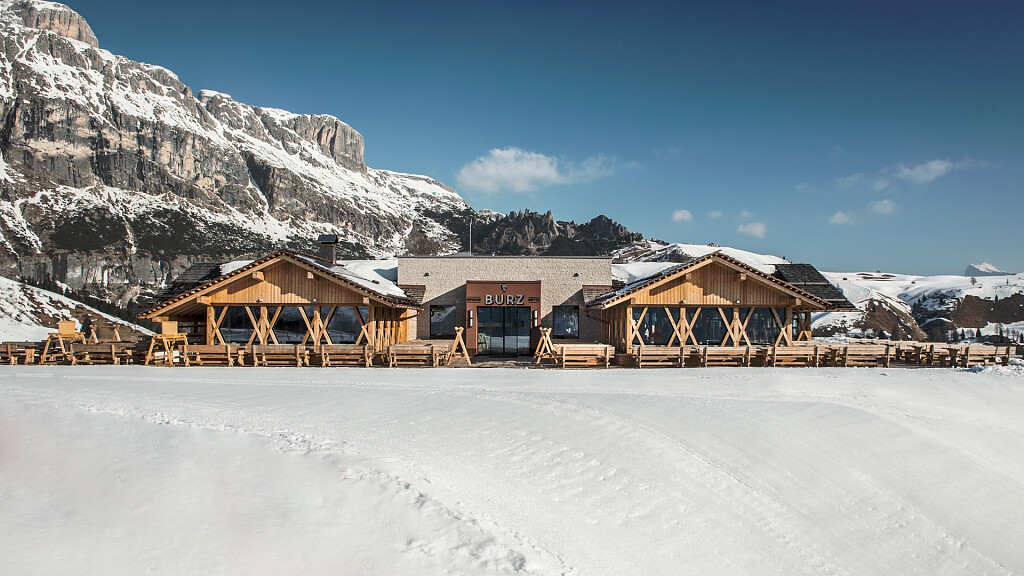

Nowadays snowshoeing is a widespread and trendy activity. Anyway, it hasn't always been a leisure activity: in the past, snowshoes where used above all by hunters and peasants who had to walk hardly in the snowy landscape and prevented them from sinking in the snow blanket .
Ancient Origins Across Continents
Over 6,000 years ago, various cultures across the globe—from Central Asia to North America—developed snowshoes independently. These early tools, made from wood and rawhide, allowed people to walk over deep snow without sinking. Indigenous tribes in North America crafted highly specialized designs, adjusting shape and size based on terrain and snowfall.
Snowshoes in the Alps and the Dolomites
In the European Alps—and especially in the Dolomites—snowshoes have a long-standing, though humble, history. Here, they were used by shepherds, hunters, and woodcutters to move across deep snow in winter. Local versions were handmade from hazel or ash wood, with simple leather bindings.
In the Dolomites, these snowshoes were vital for reaching remote mountain pastures or transporting firewood. During World War I, Italian and Austro-Hungarian alpine troops relied on snowshoes for mobility on the snow-covered frontlines.
Decline and Rediscovery
By the mid-20th century, snowshoes faded into obscurity as roads improved and vehicles became widespread. But in the late 20th century, they experienced a resurgence—this time as a recreational tool. The rise of winter tourism and eco-friendly activities brought snowshoes back into the spotlight.
Snowshoeing in the Modern Dolomites
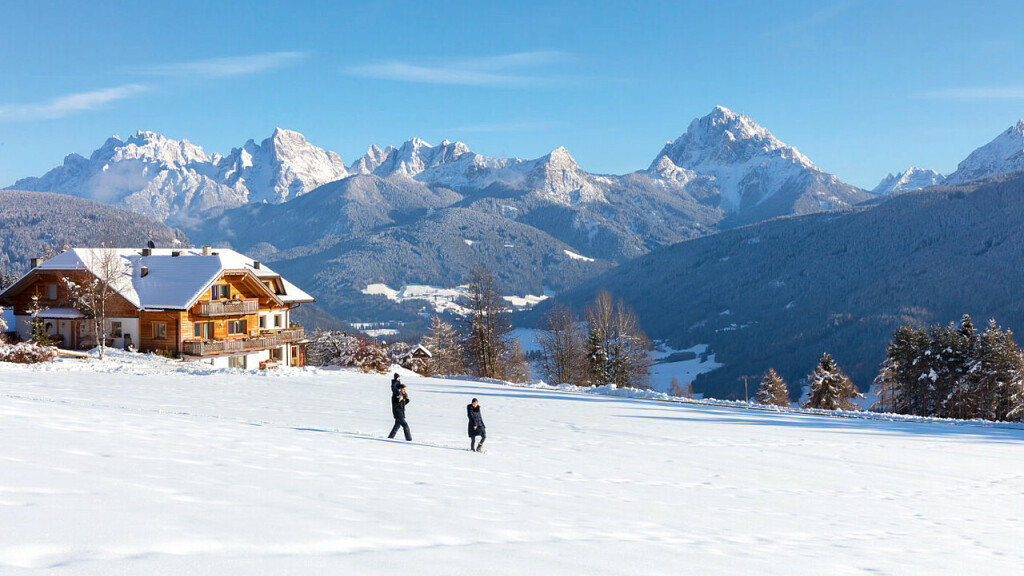
Today, snowshoeing is a popular winter activity in the Dolomites. With their UNESCO-protected landscapes, these mountains offer ideal trails through forests, alpine meadows, and silent snowy valleys. Lightweight, modern snowshoes have made this activity accessible to everyone—from beginners to expert hikers.