 © Dolomiti.it
 © Mrt
© Mrt
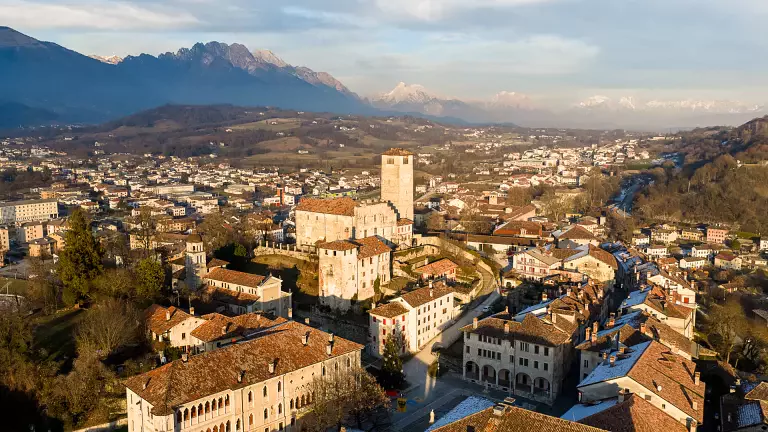
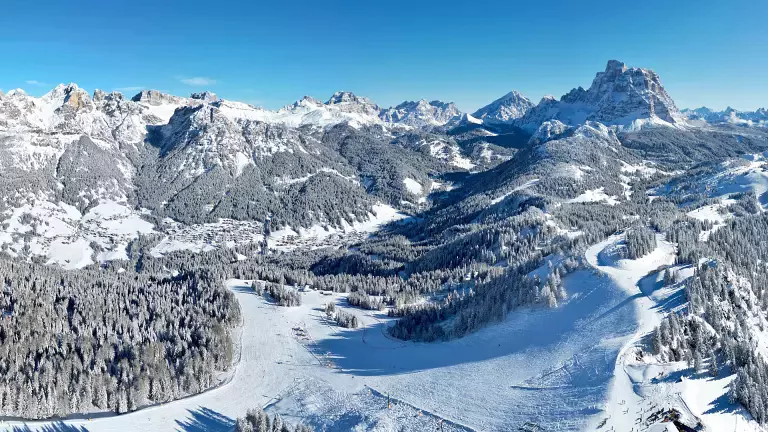
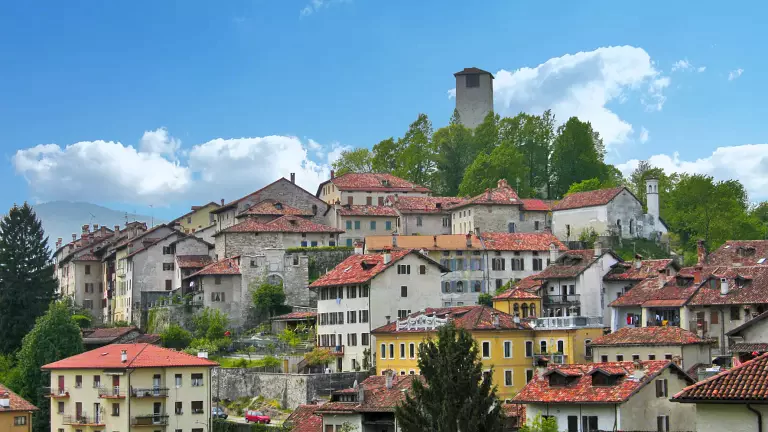
The Cammino delle Dolomiti is a large circular route of more than 500 km that crosses the entire province of Belluno, touching valleys, historic villages, sanctuaries and Dolomite landscapes of extraordinary beauty. The stages are divided into six areas: Feltrino, Agordino, Ampezzo, Cadore–Comelico, Alpago and Valbelluna. Each section offers a different experience, blending nature, spirituality and Alpine culture.
FELTRINO – Stages 1–6
1. Santuario SS. Vittore e Corona – Facen A symbolic beginning at the most important sanctuary in the Feltrino area. The route climbs gently through woods and meadows, with moderate elevation gain and wide views over the valley. Ideal as an introductory stage. Difficulty: E – Elevation gain: 300 m – Time: approx. 4 h.
2. Facen – Cima Loreto A more demanding stage with a long ascent leading to Cima Loreto. The environment becomes more alpine and the view opens over the Feltrine Dolomites. Difficulty: E – Elevation gain/loss: +1000 / –500 m – Time: 5–6 h.
3. Cima Loreto – Croce d’Aune A panoramic stretch alternating climbs and descents, ending at the famous Croce d’Aune pass, a symbolic place in cycling history. Difficulty: E – Elevation gain/loss: +900 / –600 m – Time: 6–7 h.
4. Croce d’Aune – Arson A steady descent towards the village of Arson, through woods and clearings. A quieter stage, perfect after the previous days’ efforts. Difficulty: E – Elevation change: 600 m (mostly downhill) – Time: 6 h.
5. Arson – Col Cumano A gentle and regular section, ideal for immersing yourself in the tranquillity of the pre‑Alpine forests. Difficulty: E – Elevation gain: 300 m – Time: 6 h.
6. Col Cumano – Sospirolo A short and pleasant stage with light climbs and descents leading towards the entrance of the Dolomiti Bellunesi National Park. Difficulty: E – Elevation gain/loss: +300 / –200 m – Time: 3–4 h.
AGORDINO – Stages 7–11
7. Sospirolo – Val Imperina A long and demanding stage through deep forests, ending in the historic mining area of Val Imperina, the heart of the Agordino. Difficulty: EE – Length: approx. 21 km – Time: 8–9 h.
8. Val Imperina – Col di Prà A gentler stretch rising along the Biois valley, among traditional farmhouses, meadows and ancient hamlets. Difficulty: E – Elevation gain: 350 m – Time: 5–6 h.
9. Col di Prà – Canale d’Agordo An intense stage with significant elevation gain, arriving in Canale d’Agordo, birthplace of Pope John Paul I. Difficulty: E – Elevation gain/loss: +1000 / –800 m – Time: 8 h.
10. Canale d’Agordo – Alleghe A scenic route leading to Lake Alleghe, at the foot of Mount Civetta. Difficulty: E – Elevation gain/loss: +500 / –400 m – Time: 5–6 h.
11. Alleghe – Livinallongo A long and demanding stage climbing towards the pastures and slopes of Col di Lana. Difficulty: E – Elevation gain/loss: +1100 / –600 m – Time: 8 h.
AMPEZZO – Stages 12–15
12. Livinallongo – Passo Falzarego A steady ascent to one of the most iconic passes in the Dolomites. Difficulty: E – Elevation gain/loss: +700 / –150 m – Time: 4 h.
13. Passo Falzarego – Fiames A long descent into the Ampezzo basin, with spectacular views of the Tofane peaks. Difficulty: E – Elevation loss: 1000 m – Time: 7 h.
14. Fiames – Son Forcia A mid‑mountain stage immersed in the forests and silence of the Ampezzo area. Difficulty: E – Elevation gain: 1000 m – Time: 5 h.
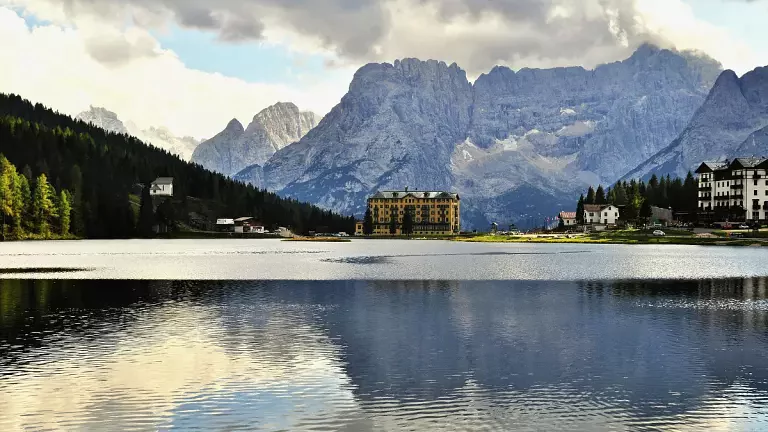
15. Son Forcia – Misurina A gentler stretch leading to the famous Lake Misurina, one of the most iconic places in the Dolomites. Difficulty: E – Elevation gain: 400 m – Time: 5 h.
CADORE–COMELICO – Stages 16–20
16. Misurina – Auronzo A panoramic stage descending towards Auronzo di Cadore, with views of the Tre Cime. Difficulty: E – Elevation gain/loss: +400 / –1200 m – Time: 7 h.
17. Auronzo – Candide A demanding stretch climbing towards the Comelico, through forests and ancient hamlets. Difficulty: E – Elevation gain/loss: +900 / –500 m – Time: 7 h.
18. Candide – Val Visdende A stage immersed in the unspoiled nature of Val Visdende, known as “the valley of the Saints”. Difficulty: E – Elevation gain: 500 m – Time: 7 h.
19. Val Visdende – Sappada A mid‑mountain route leading to the border with Friuli, in the Ladin village of Sappada. Difficulty: E – Elevation gain/loss: +500 / –600 m – Time: 6–7 h.
20. Sappada – Cima Campigotto One of the toughest stages of the entire route, with more than 1100 m of ascent. Difficulty: EE – Elevation gain/loss: +1150 / –500 m – Time: 8–9 h.
CADORE – Stages 21–25
21. Cima Campigotto – Vigo di Cadore A long descent towards the villages of Cadore. Difficulty: E – Elevation gain/loss: +400 / –1200 m – Time: 6 h.
22. Vigo di Cadore – Lorenzago A short and easy stage, though with limited signage. Difficulty: E – Elevation gain/loss: +100 / –200 m – Time: 1.5 h.
23. Lorenzago – Pieve di Cadore An undulating route between 700 and 1000 m of altitude, immersed in woodland. Difficulty: E – Time: 6 h.
24. Pieve di Cadore – Perarolo A steady descent towards the valley floor. Difficulty: E – Elevation loss: 400 m – Time: 4–5 h.
25. Perarolo – Longarone A quiet stage leading to Longarone, a place marked by the Vajont tragedy. Difficulty: E – Elevation gain: 200 m – Time: 6 h.
ALPAGO – Stages 26–27
26. Longarone – Farra d’Alpago A simple and relaxing stage with minimal elevation change. Difficulty: E – Time: 6 h.
27. Farra d’Alpago – Nevegal A demanding ascent leading to the Nevegal plateau. Difficulty: EE – Elevation gain/loss: +1100 / –500 m – Time: 6–7 h.
VALBELLUNA – Stages 28–30
28. Nevegal – Belluno A panoramic descent towards the provincial capital. Difficulty: E – Elevation loss: 700 m – Time: 3–4 h.
29. Belluno – Trichiana A long valley‑floor stage through countryside and small villages. Difficulty: E – Length: approx. 25 km – Time: 8–9 h.
30. Trichiana – San Vittore The final stage of the loop, returning to the starting point through rural landscapes and historic paths. Difficulty: E – Length: approx. 22 km – Time: 8–9 h.