 © Angela Pierdonà
 © Angela Pierdonà
 © H. Wisthaler | Tre Cime Dolomiti
 © iStock
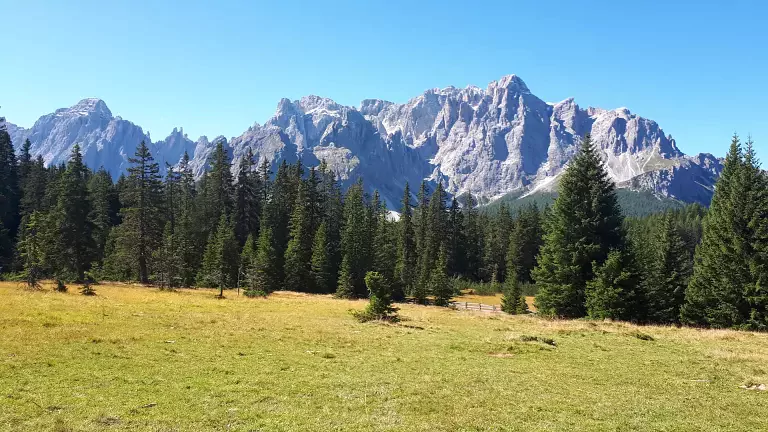
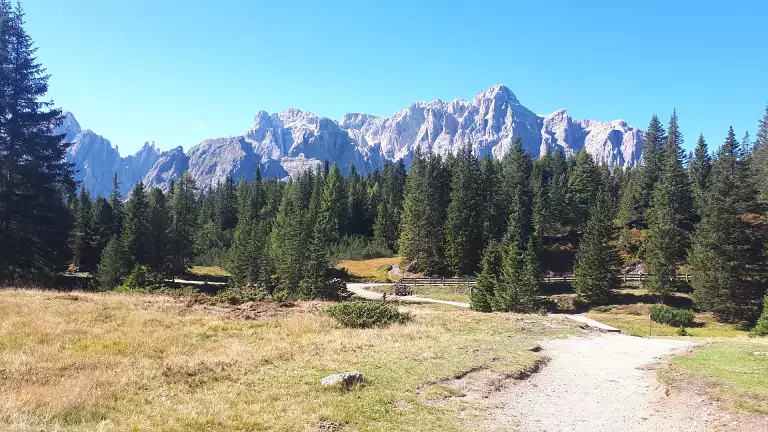
The Sexten Sundial is a natural phenomenon in the Dolomites where five mountain peaks indicate the hours of the day based on the position of the sun.
It is considered one of the largest natural sundials in the world and represents a unique phenomenon in which landscape, light and geography combine into a “natural clock” visible to the naked eye.
Where the Meridiana di Sesto is located
The Sexten Sundial is located in the municipality of Sesto (Sexten), in the heart of the Dolomites of the Three Peaks area, among some of the most iconic mountains in the Dolomites.
The phenomenon can be seen in particular from:
- Sesto village
- Moso
- Fiscalina Valley
- panoramic areas facing the Dolomites of Sesto
The five peaks of the Meridiana di Sesto
The Meridiana di Sesto is composed of five main peaks:
- Cima Nove (Neunerkofel) – 2,582 m
- Cima Dieci (Croda Rossa di Sesto) – 2,965 m
- Cima Undici (Elferkofel) – 2,926 m
- Cima Dodici (Croda dei Toni) – 3,094 m
- Cima Uno (Einserkofel) – 2,598 m
Seen from the valley, these peaks align along the path of the sun, creating a natural effect that marks the passing of the hours of the day.
How the Meridiana di Sesto works
The Sexten Sundial works thanks to the apparent movement of the sun.
During the day, the sun moves across the sky and, as seen from Sesto, appears to “rest” on the different peaks at specific moments.
In particular:
- each peak symbolically corresponds to an hour of the day
- solar noon represents the central point of the phenomenon
- alignment is most visible under clear sky conditions
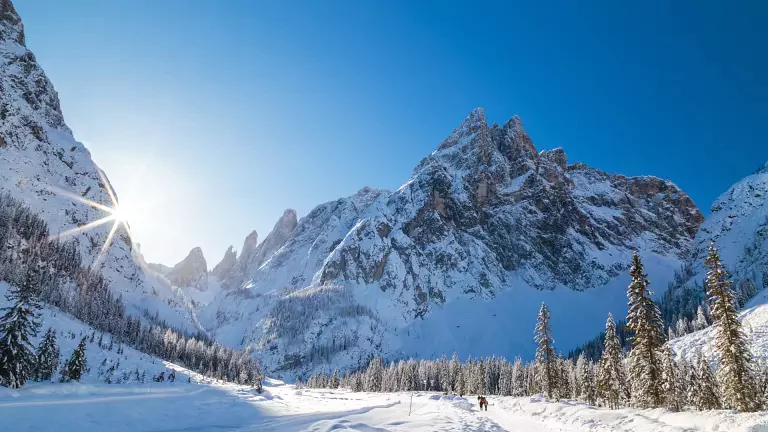
During the winter solstice, the sun reaches very precise positions relative to the peaks, making the phenomenon even more spectacular.
A unique phenomenon in the Dolomites
The Sexten Sundial is one of the most recognizable natural symbols of the Dolomites of the Three Peaks area.
In addition to its landscape value, it is also famous for:
- the alpenglow (enrosadira) at sunset
- the verticality of the Dolomite walls
- the contrast between valley and rocky peaks
Hiking, via ferratas and activities
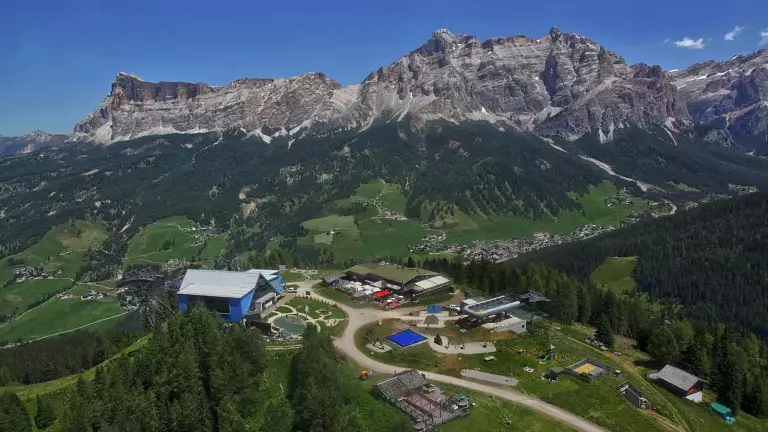
The Sexten Sundial is surrounded by an area ideal for hiking and mountaineering.
Main activities include:
- panoramic trails in the Sesto area
- via ferratas in the Dolomites of Sesto
- hikes towards Croda Rossa
- access via cable cars to the Prati di Croda Rossa
Main alpine routes
- Innerkofler normal route (Croda dei Toni)
- Berti route
- Baumgartner route (Cima Nove)
- Strada degli Alpini
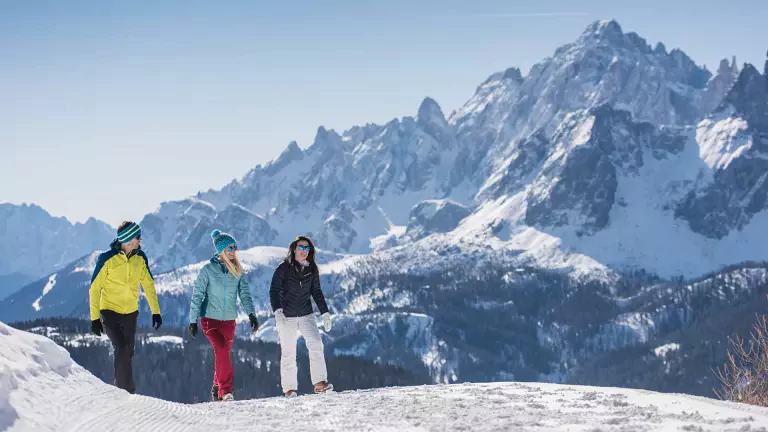
In winter, the Prati di Croda Rossa area becomes a ski zone suitable for families and intermediate skiers.
Historical curiosities
The name “sundial” comes from the symbolic function of the sun, which in ancient cultures represented time.
According to some historical interpretations, the name “Sesto” may be linked to the Roman “sexta hora”, the sixth hour of the day, corresponding to midday.
The area is also rich in mountaineering history and First World War heritage.
Where to stay in Sesto
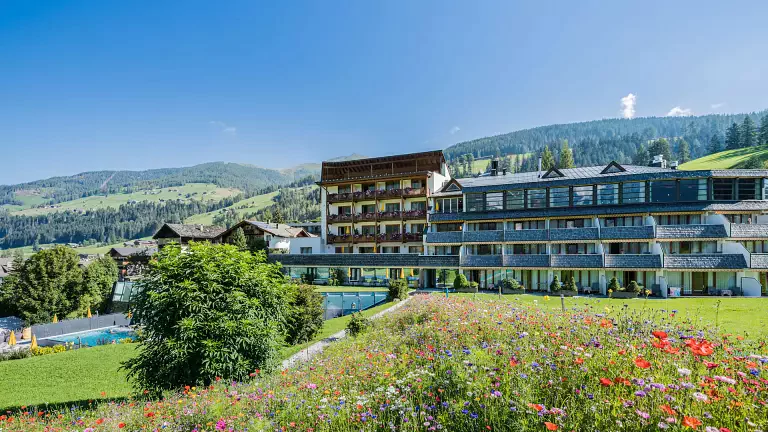
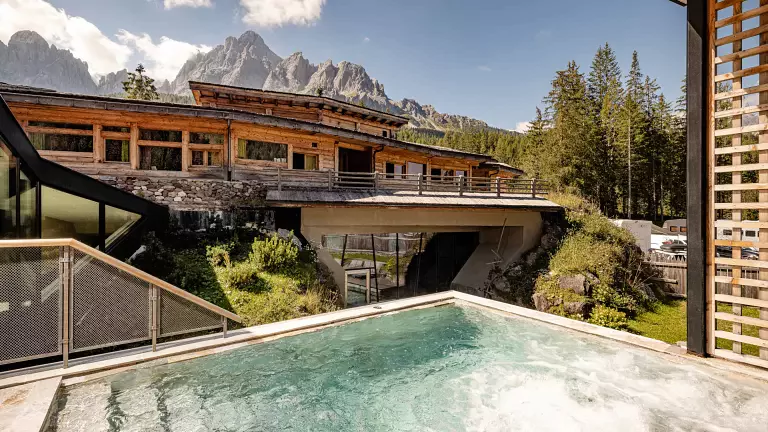
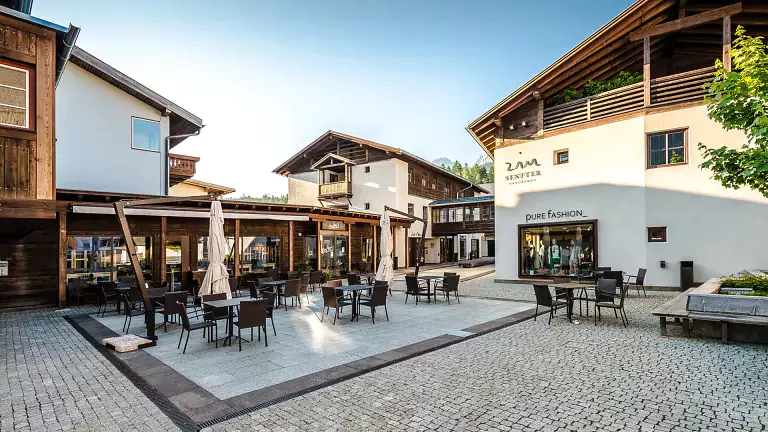
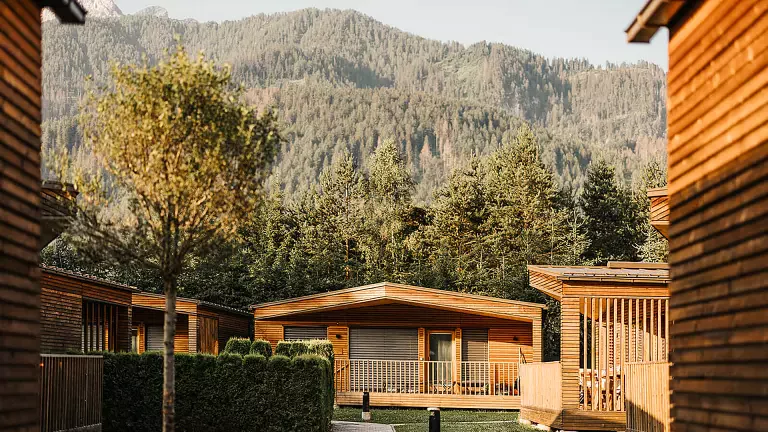
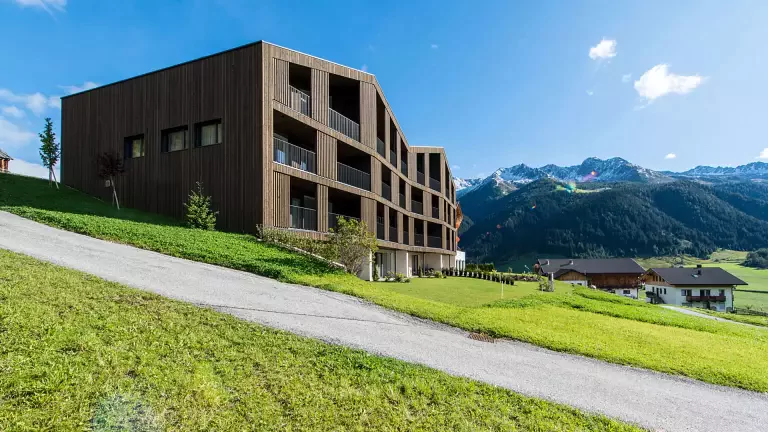
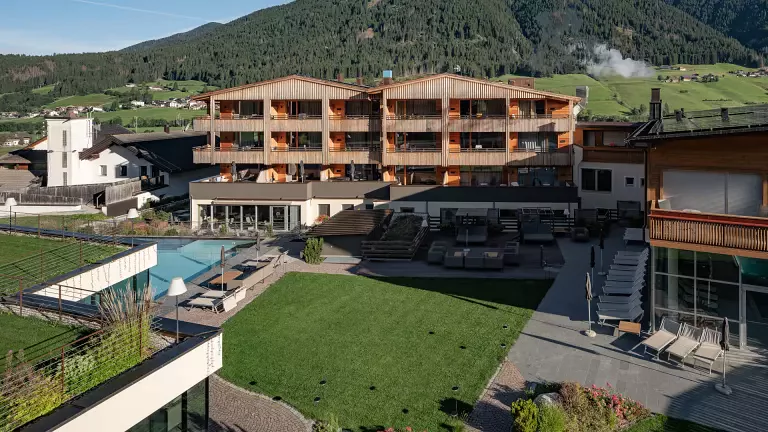
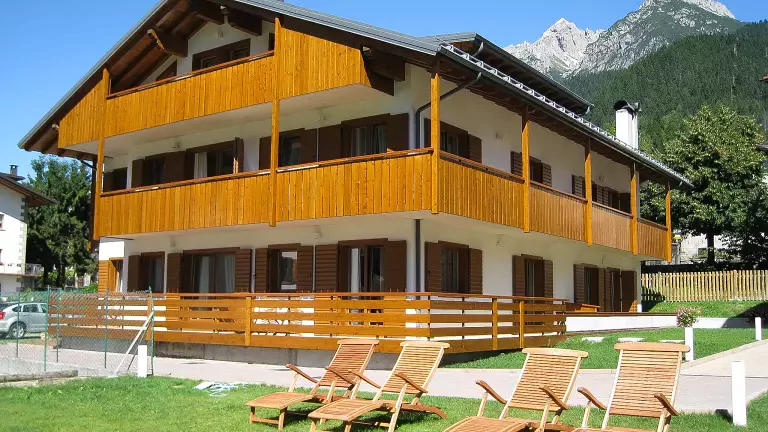
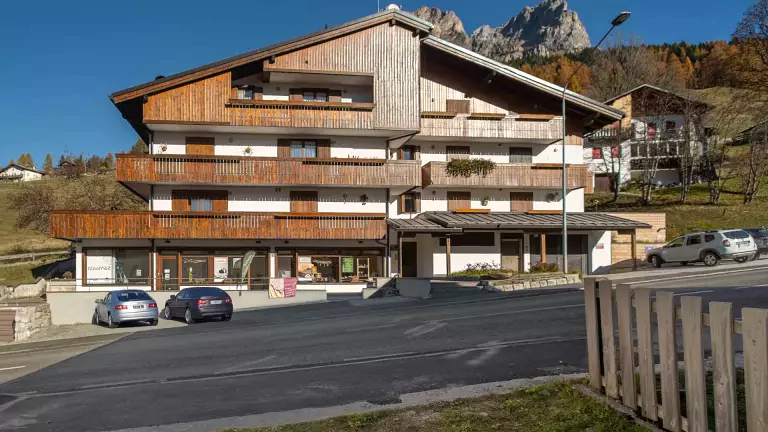
Sesto offers a wide selection of hotels and accommodations surrounded by Dolomite landscapes, ideal for a holiday combining hiking, nature and relaxation.
Staying in Sesto means sleeping at the foot of the Dolomites of Sesto, in a perfect location to reach the Sexten Sundial, the Fiscalina Valley and the main excursions in the area.
On Dolomiti.it you can find wellness hotels, family hotels and panoramic properties with spa, swimming pool and direct access to hiking trails or ski slopes.
Request a quote now on Dolomiti.it to receive the best offers directly from hotels in Sesto.