 © Pexels | Pixabay
 © Shutterstock
 © pisces2386 | Dreamstime
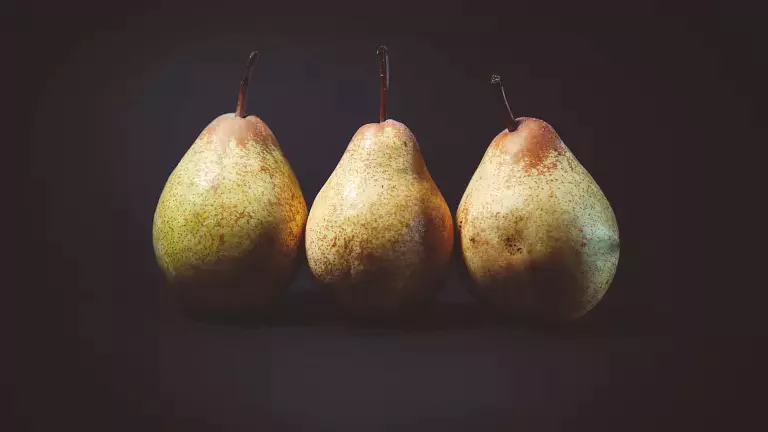
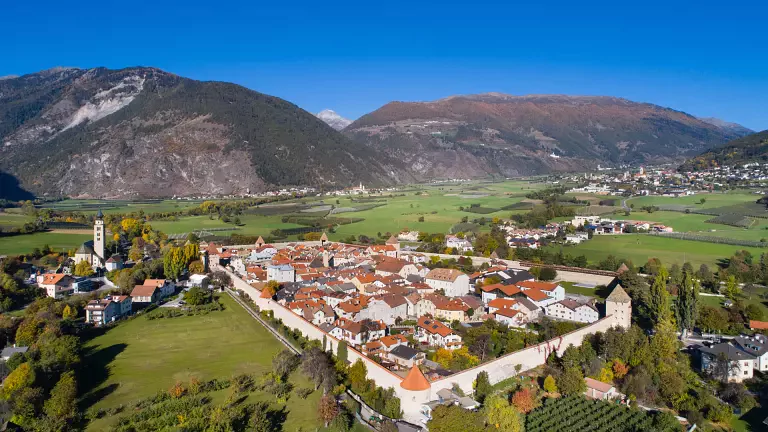
Between Malles, Glurns and Kastelbell, in the Venosta Valley, ancient Pala pear trees can still be found today. This rare traditional variety of South Tyrol grows on tall, gnarled trees, often standing alone in the meadows and forming part of the valley’s agricultural landscape.
Also known as the Turkish pear, the Pala pear is an old variety that is particularly well suited to drying. Its presence in the Venosta Valley has been documented since 1755, in the valley’s first fruit tree census.
Pala pear: from tradition to the table
In the past, Pala pears were considered a valuable and healthy fruit and were even sold by doctors and pharmacists. Drying the pears made it possible to preserve them and enjoy a natural source of sweetness throughout the winter.
Today, Pala pears are still used in traditional South Tyrolean cuisine: dried, ground into sweet pear flour, or used to prepare Zelten, desserts and pear panforte.
They are a perfect example of the traditional cuisine of the Venosta Valley, based on seasonal produce and making the most of what the local landscape provides.
The Pala Pear Days in Glurns
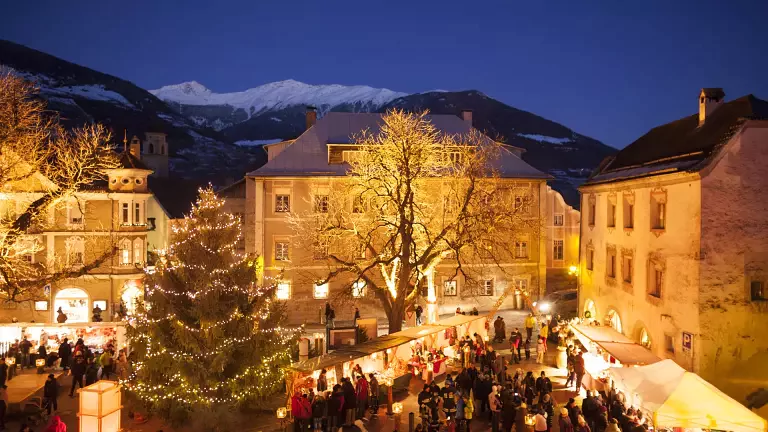
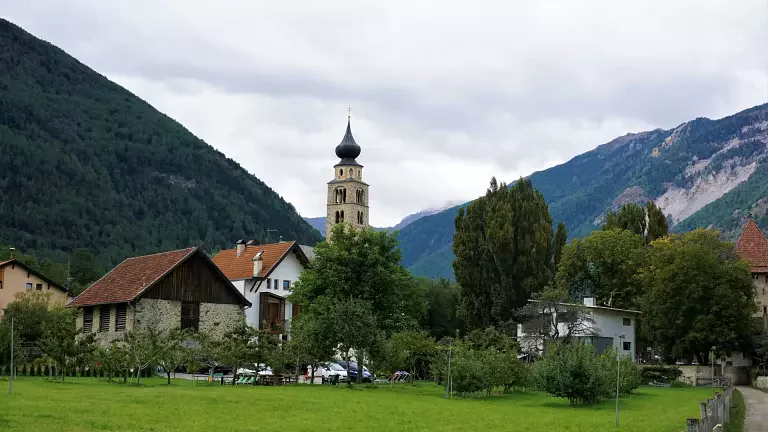
The best way to discover this ancient variety is to visit Glurns, in the Upper Venosta Valley. Every September, the historic town celebrates the Pala Pear Days, an event dedicated to this small gastronomic treasure.
During the festival, visitors can taste and buy specialities made with Pala pears and take part in concerts, talks and cultural excursions.
A fruit with a story
The Pala pear from South Tyrol is much more than an ancient variety: it is part of the agricultural and culinary heritage of the Venosta Valley.
Among old trees, traditional recipes and local events, this rare fruit continues to tell the story of the close relationship between landscape, culture and South Tyrolean cuisine.